


Depression And Mood Related Symptoms
Depression involves persistent sadness, loss of interest, and mood-related symptoms like irritability, hopelessness, and guilt, alongside physical signs such as fatigue, sleep/appetite changes, and difficulty concentrating, often impacting daily functioning for over two weeks, with severe cases including thoughts of death or suicide. It's a diagnosable condition distinct from normal mood swings, affecting energy, motivation, and enjoyment of life.
A diagnosis requires several of these symptoms most of the day, nearly every day, for at least two weeks, interfering with daily life. If you experience these, consult us for diagnosis and treatment, as depression is treatable.
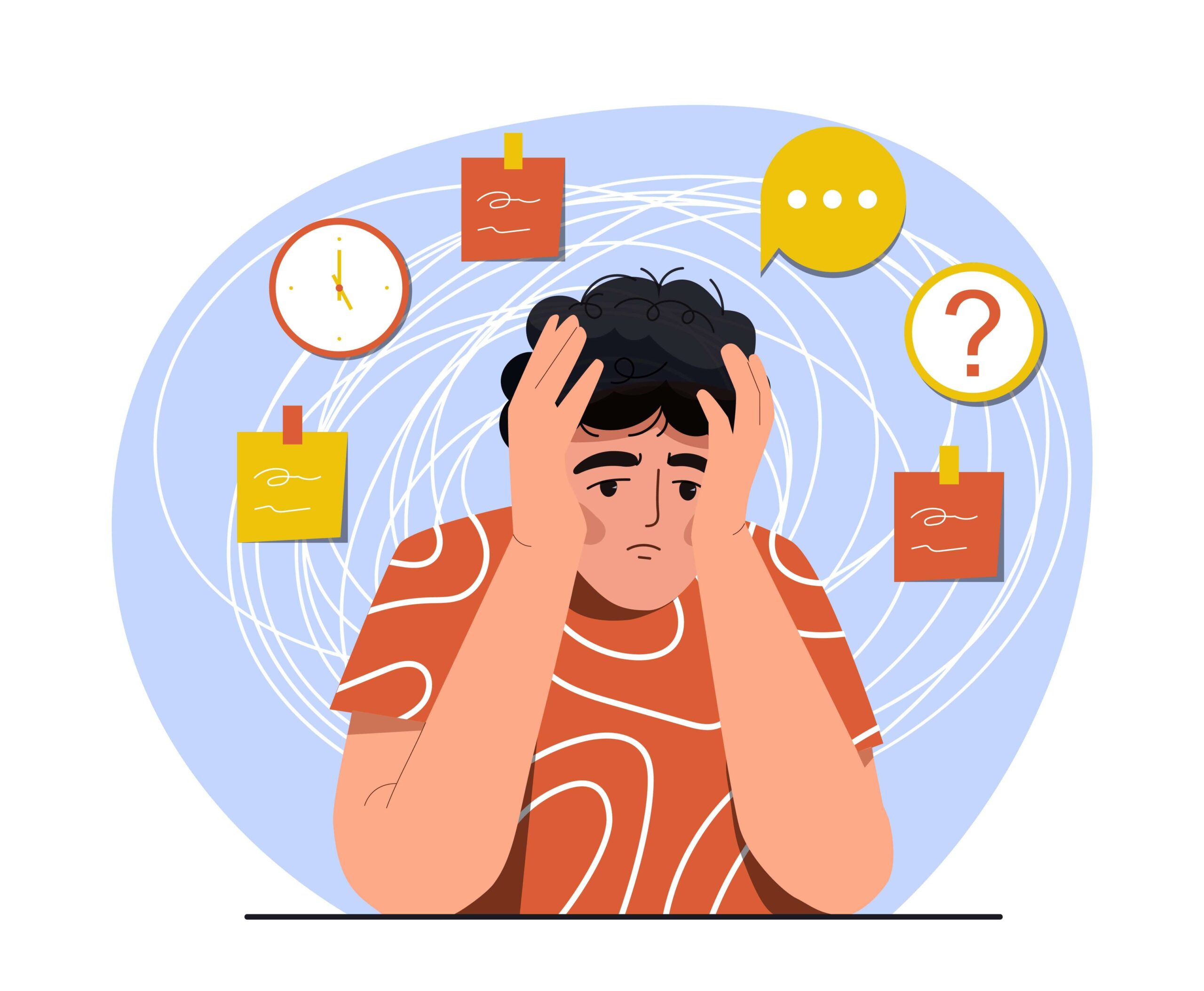
Anxiety, Panic And Stress Related Conditions
Anxiety, panic, and stress-related conditions involve excessive worry, fear, and tension, manifesting as physical (racing heart, sweating, shortness of breath) and mental (difficulty concentrating, sense of doom) symptoms, with specific disorders like Generalized Anxiety Disorder (GAD), Panic Disorder, Social Anxiety, Phobias, and PTSD distinct yet overlapping, often manageable with therapy, medication, and lifestyle changes, though they can significantly impair daily life, potentially leading to substance misuse.
Common Anxiety Disorders & Stress Conditions
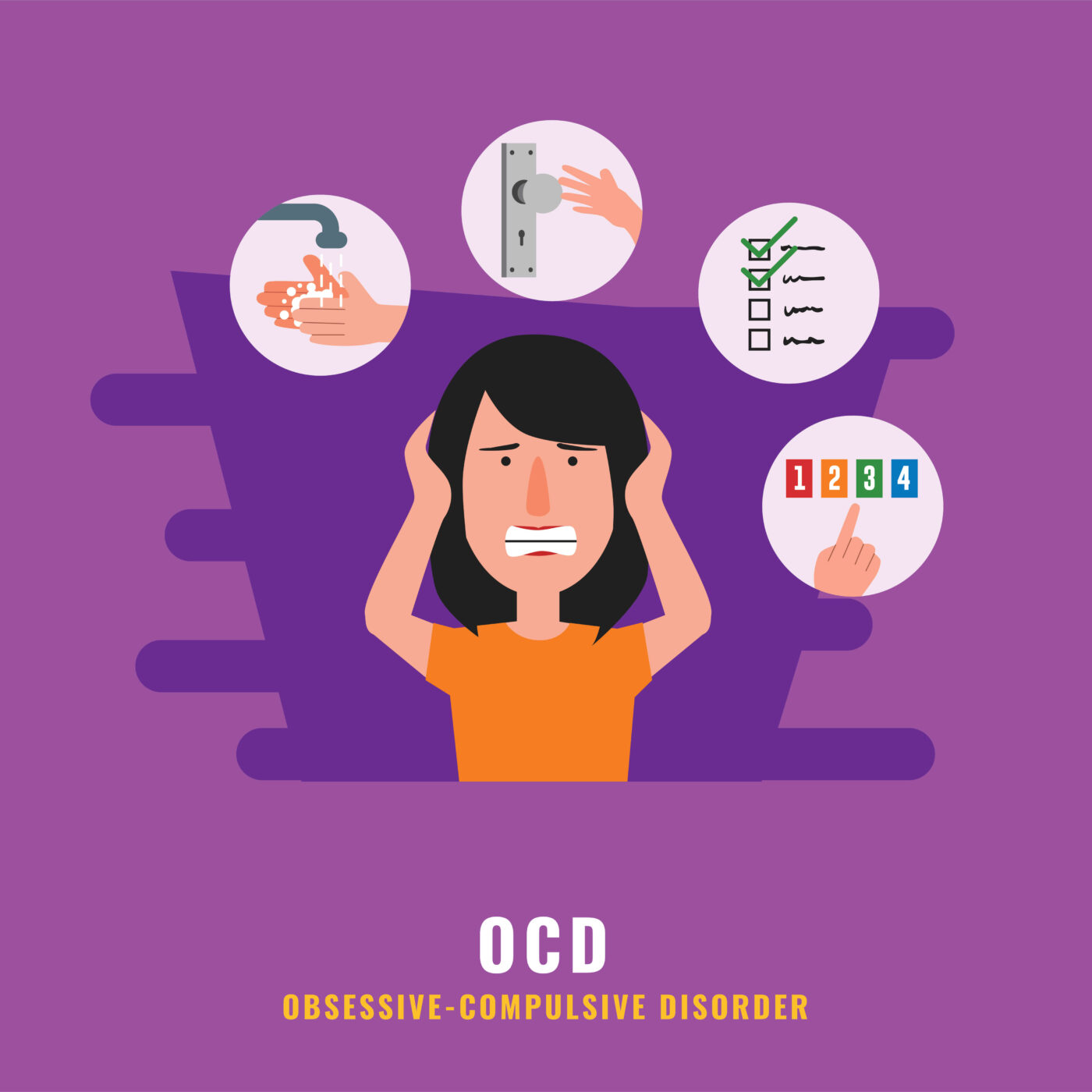
Obsessive Compulsive Symptoms
Obsessive-Compulsive Disorder (OCD) symptoms involve intrusive, unwanted obsessions (thoughts, images, urges like contamination fears, harm, or taboo topics) that cause significant anxiety, leading to repetitive compulsions (behaviors or mental acts like excessive cleaning, checking, counting, ordering, or praying) performed to neutralize the distress, creating a cycle that disrupts daily life. Key themes include fear of germs, harm, needing perfection/symmetry, and intrusive forbidden thoughts, with compulsions like handwashing, locking doors, organizing, or mental rituals providing only temporary relief.
Common Obsessions (Unwanted Thoughts/Fears):
- Contamination
- Harm: Intense fear of harming yourself or others (e.g., with a knife, in a car).
- Symmetry/Order: An overwhelming need for things to be "just right," balanced, or perfectly aligned.
- Unwanted/Forbidden Thoughts: Intrusive sexual, religious, or aggressive thoughts that feel out of character.
- Doubts/Uncertainty: Fear of making mistakes, like not locking a door or turning off the stove.

Sleep Disturbances, Burnout
Sleep disturbances, like insomnia, are a core symptom and consequence of burnout disorder, a state of chronic workplace stress causing exhaustion, cynicism, and reduced accomplishment, with the relationship being bidirectional—burnout disrupts sleep, and poor sleep worsens burnout, creating a vicious cycle that requires stress management, lifestyle changes, and professional help to break. Common sleep issues include difficulty falling/staying asleep, fragmented sleep, and daytime sleepiness, all linked to the mental and physical toll of prolonged stress.
Common Sleep Problems in Burnout
Insomnia: Difficulty initiating or maintaining sleep.
Fragmented Sleep: Waking up frequently during the night.
Daytime Sleepiness: Feeling tired and unrefreshed despite sleeping.
Irregular Patterns: Altered sleep-wake cycles.

Relationship Issues Work Related Issues Adjustment Issues
Relationship issues at work, combined with difficulty adjusting to changes, can trigger an Adjustment Disorder, a stress-related condition where emotional/behavioral symptoms (anxiety, depression, conduct issues, physical complaints like headaches) arise from a significant life stressor, like job problems or relationship conflict, disrupting daily life and work performance. These issues manifest when coping mechanisms fail, leading to difficulty concentrating, withdrawal, or erratic behavior, often resolving as the stress lessens but requiring support if persistent.
Symptoms (Emotional & Behavioral)
- Feeling sad, hopeless, anxious, irritable, or easily agitated.
- Difficulty concentrating or making decisions.
- Withdrawal from friends and family.
- Changes in sleep (insomnia) or appetite.
- Impulsive or reckless behavior (e.g., outbursts, risky actions).
- Physical symptoms like headaches or stomachaches.

Trauma Related Issues
Trauma-related disorders encompass a range of mental health conditions beyond PTSD, including reactive attachment disorder, acute stress disorder, and anxiety disorders. Experiencing trauma can significantly impact mental health, even without a formal diagnosis.
Treatment options include cognitive behavioral therapy (CBT) and supportive therapies like EMDR, group therapy, and medication for anxiety or depression. Community-level initiatives, such as public education and outreach, also play a crucial role in addressing trauma.
If you’ve experienced trauma or feel you may be living with a trauma-related disorder, you can confidentially speak with someone anytime (day or night) by contacting us.
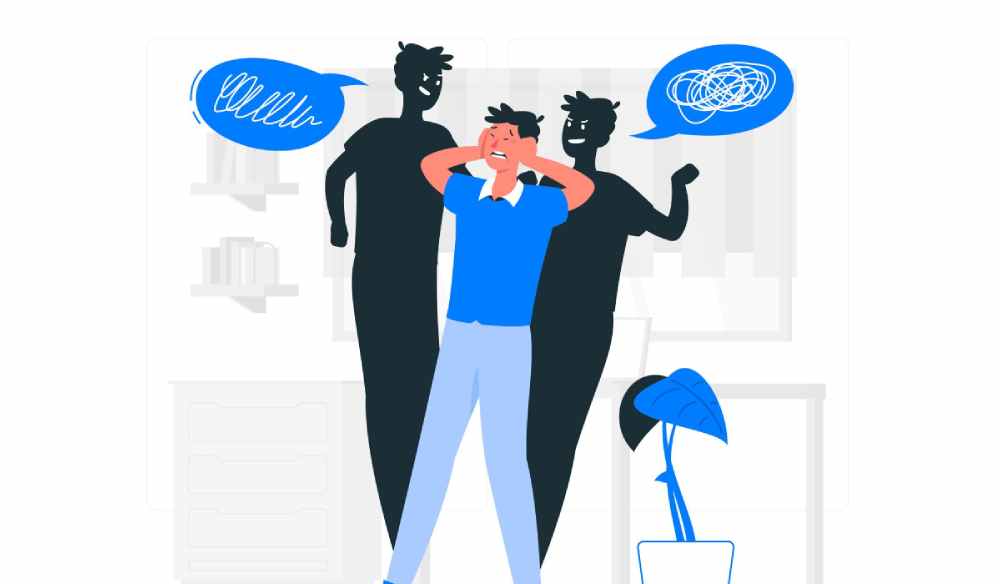
Psychotic Spectrum (Suspiciousness, Hallucinations)
Psychosis is the term for a collection of symptoms that happen when a person has trouble telling the difference between what’s real and what’s not. This disconnection from reality can happen for several reasons, including many different mental and physical conditions. It’s usually treatable with medication and other techniques.
Includes the following conditions::
- Schizophrenia.
- Brief psychotic disorder.
- Delusional disorder.
- Schizoaffective disorder.
- Substance/medication-induced psychotic disorder.
- Psychotic disorder due to another medical condition.

Geriatric Issues (forgetfulness, Memory' Related)
Memory issues in older adults are more than just “senior moments.” With World's growing elderly population, maintaining cognitive health has become a crucial part of geriatric care. Whether it’s occasional forgetfulness or the early signs of dementia, early diagnosis and specialized treatment can significantly improve outcomes.
What Causes Memory Problems?
- Alzheimer’s Disease
- Vascular Dementia
- Vitamin B12 Deficiency
- Hypothyroidism
- Depression (Pseudo-Dementia)
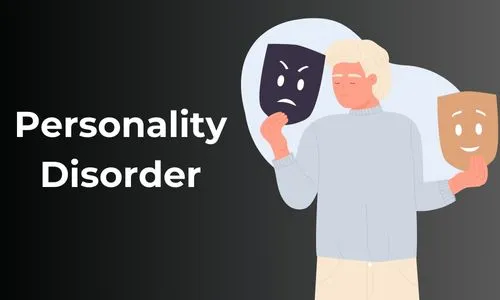
Personality Issues.
People have unique personalities made up of a complex combination of different traits. Personality traits affect how people understand and relate to the world around them, as well as how they see themselves. When people have personality traits that are less adaptive, this leads to inflexibility and unhealthy coping. For example, they may manage stress by drinking or misusing drugs, have a hard time managing their anger, and find it hard to trust and connect with others.
In some cases, you may not know that you have a personality disorder. That's because how you think and behave seems natural to you. You also may think others are responsible for your challenges.
There are many types of personality disorders, each with important differences.
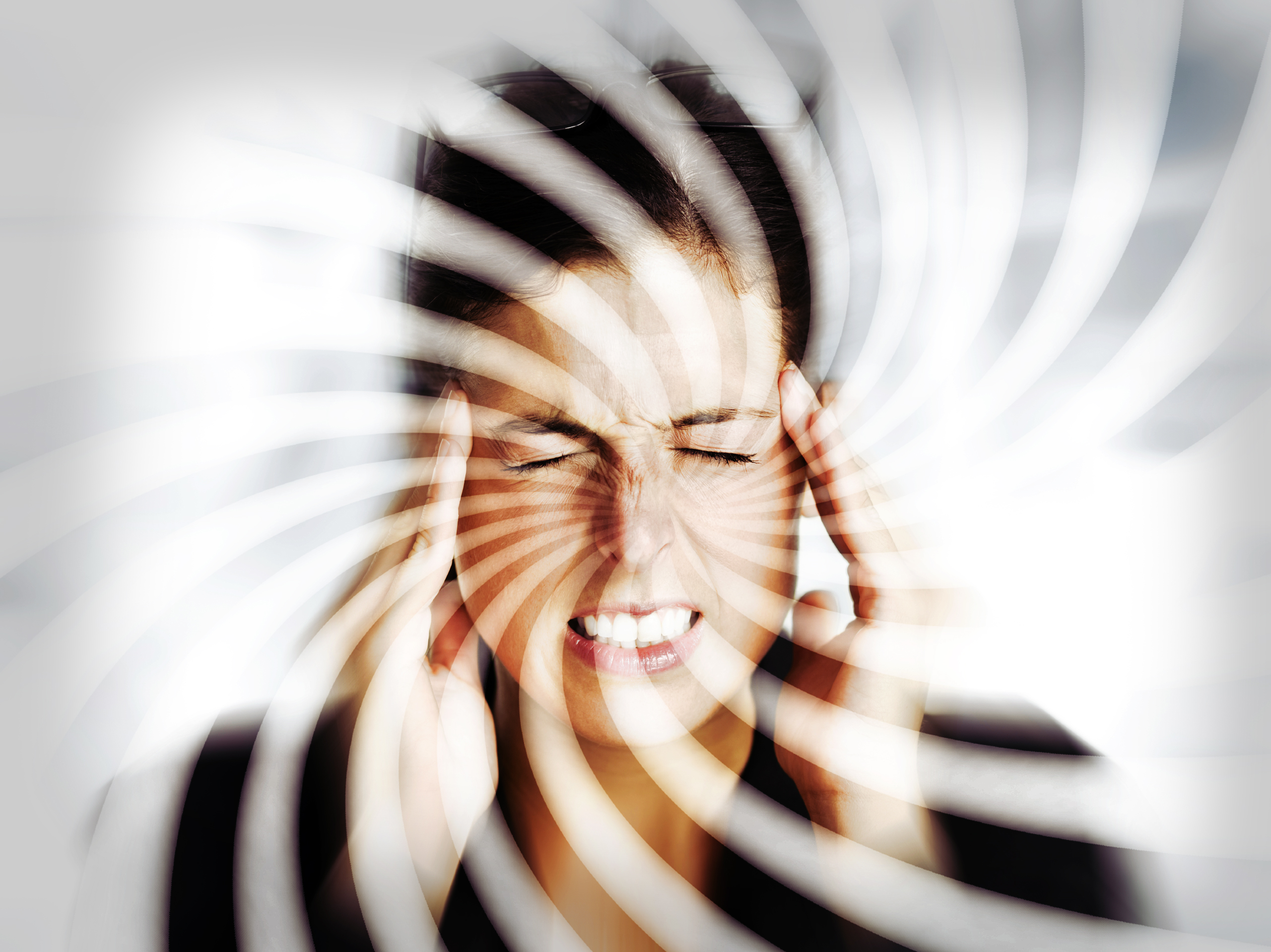
What Causes Bleeding in the Brain?
There are several risk factors and causes of brain hemorrhages. The most common include:
Substances Use
Substance use disorder (SUD) is a problematic pattern of substance use that affects your health and well-being. Some of the most common substances include alcohol, opioids and marijuana. It can range from mild to severe (addiction). SUD is a treatable mental health condition. Help is available when you’re ready.
What are the signs of a substance use disorder? :
- Taking the substance in larger amounts and for a longer amount of time than you’re meant to if it’s a prescription.
- Having a strong desire or urge to use the substance.
- Having unsuccessful efforts to cut down on or manage substance use.
- Spending a lot of time obtaining or using the substance or recovering from its effects.
- Having issues fulfilling responsibilities at work, school or home due to substance use.
- Continuing to use the substance, even when it causes problems in relationships.
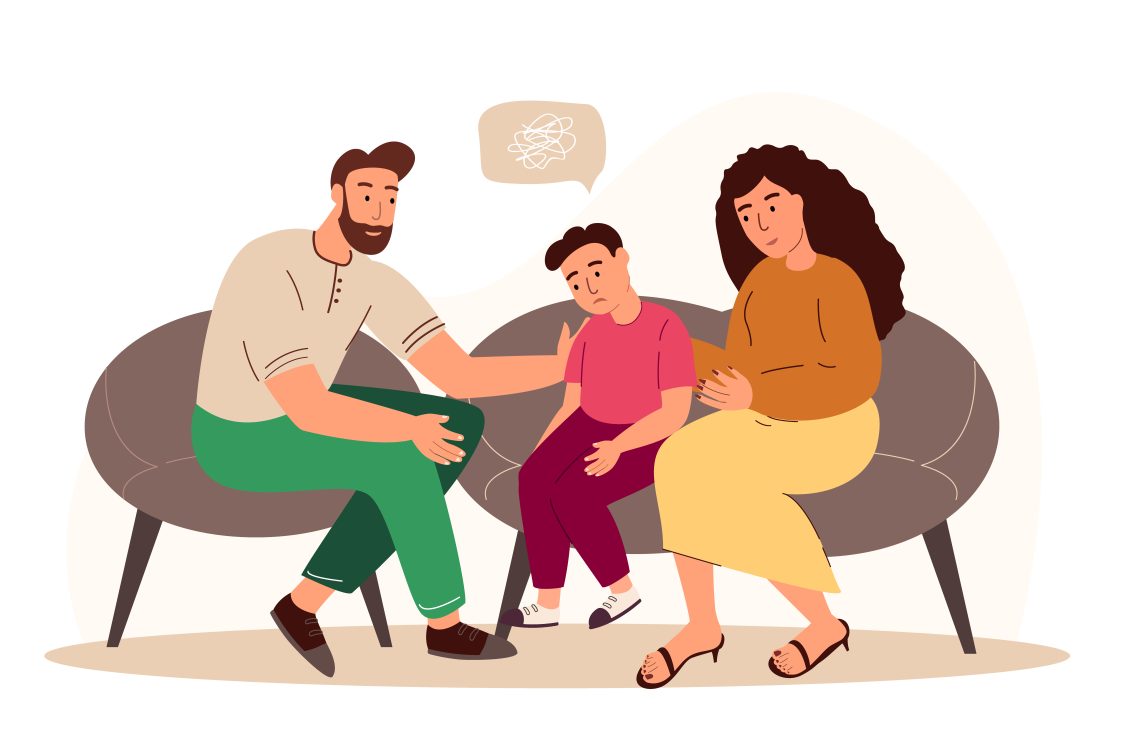
Child And Adolescent Issues
Child and adolescent issues encompass a broad range of challenges, primarily revolving around mental health (anxiety, depression, self-harm, substance use), physical health (unhealthy lifestyles, chronic diseases, injuries, puberty changes), developmental factors (psychosocial growth, identity, autonomy), and social/environmental pressures (poverty, violence, bullying, family issues, digital risks). These issues, often intertwined, can significantly impact well-being, leading to long-term challenges if not addressed, with mental health conditions often emerging during adolescence.